
The Weekend Pause
Another Day of LifeThis flow traces the peculiar weekly suspension of fighting and ordinary activity that gives the war an unexpected rhythm.
increasing Bearing strength in each event
 decreasing
Bearing strength in each eventdecreasingSaturday's Silence
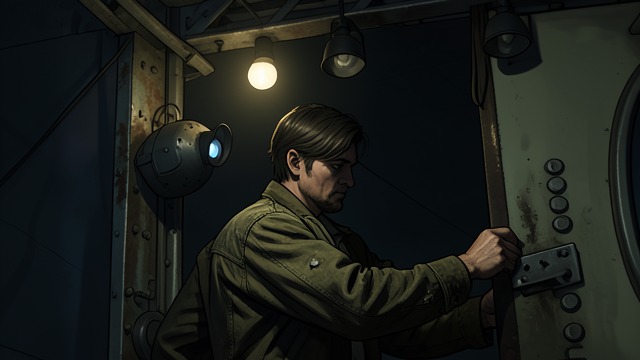
Saturday's Silence
Calls go unanswered
When Rysiek returns to Luanda on a Saturday, the telephone brings no news from his contacts. He first reads the silence as another symptom of isolation.
A national pause
He realizes that work, radio, markets, offices, and much of the fighting have stopped for the weekend. The silence is not simply a communications failure; it belongs to a pattern that the whole country observes.
The Country at Rest
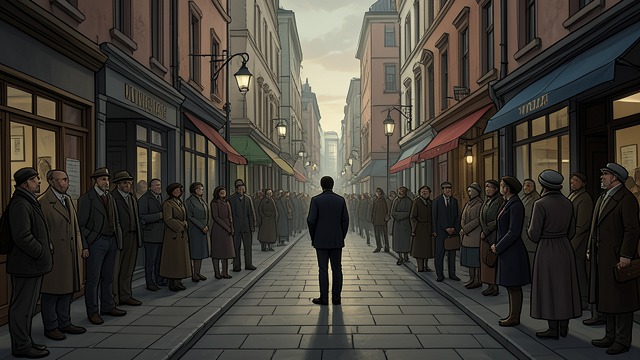
The Country at Rest
A shared suspension
Even bitter enemies put down their weapons and disappear into a weekend lethargy. Streets and roads empty, and people who are normally part of one another's routines become impossible to find.
A strange common rule
The pause briefly unites people whom politics and war divide. Its regularity feels almost magical, yet it gives no assurance that violence will not resume when the week begins.
The Sunday Exception
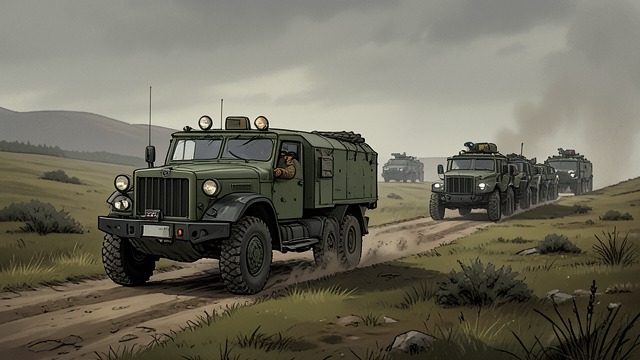
The Sunday Exception
A presentiment of danger
On the day the invasion begins, Comandante Farrusco searches for his driver and sets out despite the country's customary stillness. Their reconnaissance brings them directly into contact with an armored column.
The pause breaks
The attack makes the weekend silence feel less like protection than a fragile interval. Military events do not obey the peaceful rhythm for long, and the quiet ends in wounds and retreat.
18 October 1975
Saturday and Sunday, October 1975
19 October 1975
